
Blog
What Breaks Fast in Islam

Fasting, or Sawm, is one of the five pillars of Islam. It is a sacred act of worship, observed primarily during Ramadan, involving abstinence from food, drink, sexual activity, and sinful behavior from dawn (Fajr) to sunset (Maghrib).
Allah says in the Quran:
“O you who believe! Fasting is prescribed for you as it was prescribed for those before you, so that you may attain Taqwa (piety).”
(Surah Al-Baqarah 2:183)
Fasting is both a physical and spiritual purification. Observing it correctly is crucial, and understanding what breaks the fast ensures the fast remains valid and spiritually rewarding.
This guide explains the things that nullify fasting, things that do not, and the rulings for mistakes or intentional violations, backed by Quranic verses and authentic Hadith.
1. What is Fasting (Sawm) in Islam?
Fasting, known as Sawm, is a comprehensive act of worship involving:
- Abstinence from food and drink from Fajr to Maghrib.
- Refraining from sexual relations during fasting hours.
- Avoiding sinful behavior, such as lying, gossip, or anger.
- Making intention (Niyyah) to fast for Allah’s pleasure.
Prophet Muhammad ﷺ said:
“Actions are judged by intentions, and every person will get the reward according to what he intended.”
(Sahih Bukhari 1, Sahih Muslim 1907)
Understanding the rules ensures fasting fulfills its spiritual and moral objectives.
2. Obligation of Fasting
Fasting is obligatory for every adult Muslim who is:
- Physically and mentally able to fast.
- Sane and accountable.
- Not traveling, sick, pregnant, or menstruating (these groups may delay or make up the fast later).
Allah says:
“So whoever of you sights the month [of Ramadan], let him fast it…”
(Surah Al-Baqarah 2:185)
Exemptions are provided to maintain health, safety, and well-being.
3. Major Things That Break the Fast
The fast becomes invalid if any of the following occurs intentionally during fasting hours:
3.1 Eating or Drinking
- Deliberately consuming food or drink during fasting hours nullifies the fast.
- Mistakes such as forgetting or accidental eating do not break the fast.
Prophet ﷺ said:
“If one forgets and eats or drinks while fasting, let him continue his fast, for it is from Allah’s provision.”
(Sahih Bukhari 1944)
3.2 Sexual Relations
- Engaging in sexual intercourse during fasting hours invalidates the fast and requires Kaffarah (expiation).
- Expiation includes fasting two consecutive months or feeding sixty poor people if unable to fast.
Prophet ﷺ said:
“Whoever has sexual intercourse while fasting must make expiation.”
(Sahih Bukhari 1934, Sahih Muslim 1158)
3.3 Menstruation or Postnatal Bleeding
- Women experiencing menstruation or postpartum bleeding are required to stop fasting and make up the missed days later.
Allah says:
“And they ask you about menstruation. Say, ‘It is harm, so keep away from women during menstruation, and do not approach them until they are pure.’”
(Surah Al-Baqarah 2:222)
3.4 Vomiting Intentionally
- Purposely inducing vomiting breaks the fast.
- Unintentional vomiting does not nullify it.
3.5 Smoking or Inhaling Harmful Substances
- Smoking or inhaling substances that reach the throat and stomach invalidates the fast.
3.6 Taking Nutritional IV or Injection
- Injecting food or nutrition intravenously during fasting hours breaks the fast.
- Regular medications or injections that do not provide nutrition do not break the fast, but some scholars prefer avoiding them when possible.
4. Things That Do Not Break the Fast
Not all actions during fasting hours nullify the fast. These include:
- Swallowing saliva.
- Rinsing the mouth or nose carefully without swallowing water.
- Unintentional vomiting.
- Accidental eating or drinking.
- Injections or medications that do not provide nourishment.
Prophet ﷺ said:
“If one forgets while fasting and eats or drinks, let him continue his fast.”
(Sahih Bukhari 1944)
5. Mistakes and Expiation
5.1 Intentional Breaking
- If a fast is broken deliberately without valid reason, the person must repent and perform Kaffarah.
5.2 Mistakenly Eating or Drinking
- If unintentional, the fast remains valid and should be continued.
5.3 Sexual Misconduct
- Requires expiation in addition to making up the fast.
Prophet ﷺ said:
“Whoever breaks a fast deliberately, he has committed a sin and must make it up.”
(Sahih Bukhari 1934, Sahih Muslim 1158)
6. Suhoor and Iftar
While not directly breaking or preserving the fast, proper timing of pre-dawn meal (Suhoor) and Iftar (breaking fast at sunset) ensures:
- Energy and nutrition during fasting hours.
- Following Sunnah practices.
Prophet ﷺ said:
“Take Suhoor, for in Suhoor there is blessing.”
(Sahih Bukhari 1923, Sahih Muslim 1095)
Prophet ﷺ also said:
“When one of you breaks his fast, let him break it with dates; if no dates are available, then with water.”
(Sunan Abu Dawood 2350)
7. Fasting and Moral Conduct
Fasting is not only physical abstinence but also moral purification. Even if food and drink are avoided, sinful behavior can invalidate the spiritual essence of fasting:
- Lying
- Gossiping
- Backbiting
- Anger and abuse
Prophet ﷺ said:
“Whoever does not give up false speech and evil deeds, Allah does not need his leaving food and drink.”
(Sahih Bukhari 1904, Sahih Muslim 1151)
8. Fasting for Sick, Travelers, Pregnant, or Nursing Women
Islam allows exceptions for fasting when it may cause harm or hardship:
- Sick people – exempt if fasting worsens health; must make up later.
- Travelers – may skip fast while traveling and compensate later.
- Pregnant or nursing women – may skip fast if it endangers health; must make up later.
Allah says:
“But if any of you is sick or on a journey, the same number [of days] should be made up from other days.”
(Surah Al-Baqarah 2:185)
9. Spiritual Benefits of Fasting
- Taqwa (piety) – strengthens self-discipline.
- Forgiveness of sins – sincere fasting leads to spiritual purification.
- Gratitude – fosters appreciation for blessings.
- Empathy for the needy – encourages charity and compassion.
Prophet ﷺ said:
“Fasting is a shield; when one fasts, he avoids sins and immoral behavior.”
(Sahih Bukhari 1894, Sahih Muslim 1151)
10. Common Questions About Fasting
Q1: Can I fast while accidentally eating or drinking?
- Yes, fast remains valid.
Q2: Does intentional vomiting break the fast?
- Yes, intentional vomiting nullifies the fast.
Q3: Does smoking break the fast?
- Yes, smoking invalidates the fast.
Q4: Can I take injections without breaking the fast?
- Non-nutritional injections do not break the fast; nutritional IV injections do.
Q5: Are sinful actions considered breaking the fast?
- Not in terms of invalidation, but they invalidate the spiritual essence of fasting.
11. Maintaining Valid Fasting
- Perform intention (Niyyah) daily before Fajr.
- Avoid eating, drinking, sexual relations, and sinful behavior.
- Keep Suhoor and Iftar according to Sunnah.
- Seek forgiveness for any mistakes.
Prophet ﷺ said:
“The most beloved deeds to Allah are those done consistently, even if small.”
(Sahih Bukhari 6465)
Consistency ensures valid, rewarded, and spiritually beneficial fasting.
12. Conclusion: Observing the Fast Correctly
Understanding what breaks the fast in Islam ensures:
- Validity of the fast
- Spiritual purification and reward
- Avoidance of sin and mistakes
Fasting is more than abstaining from food; it is a comprehensive act of worship, combining physical, moral, and spiritual discipline.
For detailed guidance on fasting rules, exemptions, Qaza fasts, and other Islamic teachings, visit 👉 surahyasen.com
Fasting, or Sawm, is one of the five pillars of Islam. It is an act of worship prescribed by Allah for every adult Muslim who is physically and mentally able. Fasting involves abstaining from food, drink, sexual activity, and sinful behavior from dawn (Fajr) to sunset (Maghrib).
Allah says in the Quran:
“O you who believe! Fasting is prescribed for you as it was prescribed for those before you, so that you may attain Taqwa (piety).”
(Surah Al-Baqarah 2:183)
Fasting is not only a physical practice but also a spiritual journey aimed at increasing mindfulness, patience, and obedience to Allah.
This article will explain the rules of fasting in Islam, including who must fast, who is exempt, what breaks the fast, and the spiritual benefits, with references from the Quran and authentic Hadith.
1. The Obligation of Fasting
Fasting during the month of Ramadan is obligatory for all adult Muslims who are sane, healthy, and able to fast.
Allah says:
“So whoever of you sights the month [of Ramadan], let him fast it.”
(Surah Al-Baqarah 2:185)
Key points of obligation:
- Age and Maturity: Fasting is obligatory on adults who have reached puberty.
- Mental Capacity: Children and those mentally incapacitated are exempt.
- Health and Ability: Those who are ill or traveling are allowed to delay fasting.
2. Who Must Fast
- Every adult Muslim: Physically and mentally able.
- Those residing in areas where Ramadan can be observed: Exemptions apply for travelers, the sick, and women in specific conditions.
- Muslims who have not previously been exempted: Must fast even if they were exempt in past years due to temporary conditions.
Prophet Muhammad ﷺ said:
“Islam is built upon five pillars: testimony of faith, Salah, Zakat, fasting Ramadan, and Hajj.”
(Sahih Bukhari 8, Sahih Muslim 16)
Fasting Ramadan is therefore mandatory, forming one of the foundations of Islam.
3. Who is Exempt from Fasting
Islam recognizes exceptions for fasting when it may harm a person physically, mentally, or socially. Those exempt include:
- Children: Not yet reached puberty.
- Elderly or Sick: Those unable to fast due to chronic illness or frailty.
- Travelers: May combine missed fasts later.
- Pregnant or Nursing Women: If fasting may harm mother or child.
- Menstruating Women: Fast is not obligatory during periods or postnatal bleeding; they must make up missed fasts.
Allah says:
“But if any of you is ill or on a journey, the same number [of days] should be made up from other days.”
(Surah Al-Baqarah 2:185)
Exemptions are meant to protect health and wellbeing without diminishing the spiritual value of fasting.
4. Intention (Niyyah) of Fasting
Fasting requires a sincere intention in the heart to observe the fast for Allah’s pleasure.
- Niyyah does not require verbal declaration; a mental resolve is sufficient.
- Example: “I intend to fast Ramadan tomorrow for Allah’s sake.”
Prophet ﷺ said:
“Actions are judged by intentions, and every person will get the reward according to what he intended.”
(Sahih Bukhari 1, Sahih Muslim 1907)
Without proper intention, fasting may lose its spiritual reward.
5. The Rules of Fasting
Fasting is more than abstaining from food and drink. Islam prescribes specific rules to ensure the fast is valid and spiritually beneficial.
5.1 Abstinence from Food and Drink
- Muslims must refrain from all food and drink from dawn (Fajr) to sunset (Maghrib).
- Exceptions: Water or medicine may be used if medically necessary.
5.2 Abstinence from Sexual Relations
- Sexual activity is prohibited during fasting hours.
- Engaging intentionally breaks the fast and requires expiation (Kaffarah).
5.3 Avoiding Sinful Behavior
- Lying, gossiping, backbiting, and anger are prohibited.
- Fasting is both physical and moral discipline.
Prophet ﷺ said:
“Whoever does not give up false speech and evil actions, Allah is not in need of him giving up food and drink.”
(Sahih Bukhari 1904, Sahih Muslim 1151)
5.4 Correct Timing
- Fast begins at dawn (Fajr) and ends at sunset (Maghrib).
- Suhoor (pre-dawn meal) and Iftar (breaking fast) are Sunnah practices.
Prophet ﷺ said:
“Take Suhoor, for in Suhoor there is blessing.”
(Sahih Bukhari 1923, Sahih Muslim 1095)
6. Things That Break the Fast
Breaking the fast invalidates it and requires Qada (making up the fast). Things that break the fast include:
- Eating or drinking intentionally during fasting hours.
- Sexual activity during fasting hours.
- Menstruation or postnatal bleeding – women must make up missed days.
- Vomiting intentionally – breaks the fast.
- Injecting or consuming nutrients intravenously.
- Smoking or inhaling harmful substances.
Minor mistakes such as forgetting and eating unintentionally do not break the fast, and one may continue fasting.
7. Things That Do Not Break the Fast
- Accidental eating or drinking – fast remains valid.
- Swallowing saliva or taking medicine externally.
- Rinsing the mouth or nose carefully without swallowing water.
- Unintentional vomiting.
Prophet ﷺ said:
“If one forgets while fasting and eats or drinks, let him continue his fast, for it is from Allah’s provision.”
(Sahih Bukhari 1944)
8. Expiation (Kaffarah) for Breaking Fast Intentionally
If a fast is deliberately broken without valid reason, Kaffarah (expiation) is required:
- Fasting two consecutive months OR
- Feeding sixty poor people if unable to fast
Prophet ﷺ said:
“He who breaks his fast intentionally must make up for it and perform expiation.”
(Sahih Bukhari 1934, Sahih Muslim 1158)
This ensures the seriousness of fasting is maintained.
9. Suhoor and Iftar: Recommended Practices
9.1 Suhoor (Pre-Dawn Meal)
- Suhoor is highly recommended and a Sunnah practice.
- Delaying Suhoor until just before Fajr is encouraged.
- Provides energy for the day’s fast.
Prophet ﷺ said:
“Partake in Suhoor, for there is blessing in it.”
(Sahih Bukhari 1923)
9.2 Iftar (Breaking Fast)
- Fast is broken immediately at Maghrib.
- Dates and water are preferred, following the Prophet’s Sunnah.
Prophet ﷺ said:
“When one of you breaks his fast, let him break it with dates; if no dates are available, then with water.”
(Sunan Abu Dawood 2350)
10. Fasting for Sick, Travelers, and Special Cases
10.1 Sick People
- Exempt from fasting if it worsens illness.
- Must make up missed fasts later.
10.2 Travelers
- May skip fast while traveling and compensate later.
- Combining fasts later is allowed if needed.
10.3 Pregnant or Nursing Women
- Exempt if fasting harms mother or child.
- Must compensate missed fasts later.
Allah says:
“But if any of you is sick or on a journey, the same number [of days] should be made up from other days.”
(Surah Al-Baqarah 2:185)
11. Spiritual Benefits of Fasting
- Taqwa (piety): Fasting develops self-restraint and mindfulness.
- Forgiveness of sins: Sincere fasting leads to spiritual purification.
- Increased gratitude: Appreciating food, health, and blessings.
- Empathy for the needy: Encourages charity and compassion.
Prophet ﷺ said:
“Fasting is a shield; when one fasts, he avoids sins and immoral behavior.”
(Sahih Bukhari 1894, Sahih Muslim 1151)
12. Common Mistakes in Fasting
- Breaking fast before Maghrib intentionally.
- Eating or drinking without necessity.
- Engaging in gossip, lying, or anger – violates the spirit of fasting.
- Neglecting prayers during Ramadan.
Maintaining discipline and mindfulness ensures fast is valid and spiritually rewarding.
13. Conclusion: Observing Fasting Properly
Fasting in Islam is a physical, spiritual, and moral discipline. Observing the rules of fasting ensures:
- Validity of the fast
- Spiritual purification and reward
- Development of Taqwa and self-restraint
- Following the Sunnah of Prophet Muhammad ﷺ
Fasting is not just abstaining from food but involves moral conduct, self-discipline, and worship of Allah. By adhering to the rules, Muslims attain physical, mental, and spiritual benefits.
For detailed guidance on fasting rules, missed fasts, and other Islamic teachings, visit 👉 surahyasen.com
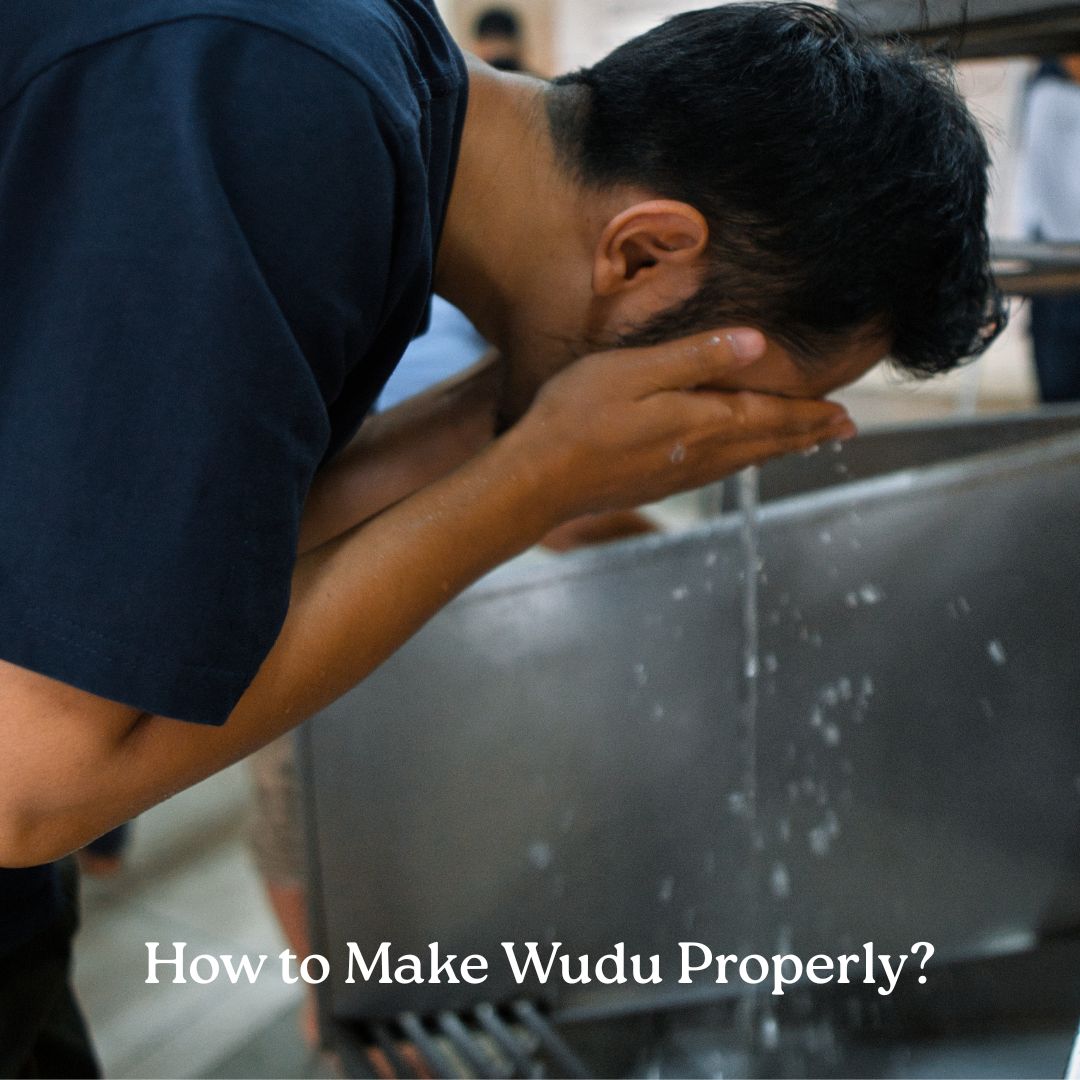
Wudu (Ablution) is an essential ritual in Islam, required before performing acts of worship such as Salah (prayer), reciting the Quran, and entering a mosque. Wudu is more than physical cleansing; it is spiritual purification, preparing Muslims to stand before Allah in a state of ritual cleanliness.
Allah says:
“O you who believe! When you intend to pray, wash your faces and your hands up to the elbows, and wipe your heads and your feet up to the ankles.”
(Surah Al-Ma’idah 5:6)
Performing Wudu properly ensures that prayers are valid, spiritually rewarding, and accepted by Allah. In this comprehensive guide, we will explain step-by-step how to make Wudu properly, its benefits, common mistakes to avoid, and spiritual significance.
1. What is Wudu?
Wudu is the ritual washing of specific body parts before worship. It is a symbol of purity, both physical and spiritual, and is mandatory for:
- Praying Salah
- Touching and reciting the Quran
- Entering mosques and sacred spaces
Prophet Muhammad ﷺ said:
“The prayer of one who does not perform Wudu properly will not be accepted until he performs it correctly.”
(Sahih Muslim 232)
2. Benefits of Performing Wudu Properly
a) Spiritual Benefits
- Forgiveness of minor sins: Each Wudu cleanses small sins.
- Connection with Allah: Prepares the heart for focused worship.
- Acceptance of prayers: Ensures Salah is valid and rewarded.
b) Physical Benefits
- Promotes personal hygiene by washing hands, mouth, face, and feet.
- Encourages regular cleanliness, reducing infections and bacteria.
c) Psychological Benefits
- Enhances mindfulness and concentration during prayer.
- Reduces stress and anxiety through ritualized movements and focus.
Prophet ﷺ said:
“Perform Wudu properly, for Allah loves those who are clean.”
(Sahih Bukhari 160)
3. Step-by-Step Guide: How to Make Wudu Properly
Step 1: Make the Intention (Niyyah)
- Wudu requires intention in the heart to perform it for Allah’s sake.
- It does not require verbal declaration, but mental focus is essential.
- Example: “I intend to perform Wudu to purify myself for Salah and Allah’s pleasure.”
Allah says:
“O you who believe! When you intend to pray, wash your faces and your hands up to the elbows, and wipe your heads and your feet up to the ankles.”
(Surah Al-Ma’idah 5:6)
Step 2: Wash the Hands
- Wash both hands up to the wrists three times.
- Ensure water reaches between fingers and all surfaces.
- Prophet ﷺ said:
“Start Wudu by washing the hands.”
(Sunan Abu Dawood 121)
Step 3: Rinse the Mouth (Madmadah)
- Take water into the mouth, swirl, and rinse thoroughly three times.
- Ensures oral hygiene and preparation for Quran recitation.
Step 4: Clean the Nose (Istinshaq)
- Inhale water gently through the nose and blow it out, three times.
- Cleans the nasal passages and is a Sunnah of the Prophet ﷺ.
Step 5: Wash the Face
- Wash the face completely from hairline to chin and ear to ear, three times.
- Ensures cleanliness of the face, a key visible part during prayer.
Step 6: Wash the Arms Up to the Elbows
- Wash right arm first, then left, including the elbows, three times.
- Ensure water touches entire surface including between fingers.
Step 7: Wipe the Head (Masah)
- Wet hands and wipe over the head from forehead to nape, once.
- Prophet ﷺ practiced wiping once as sufficient.
Step 8: Wipe the Ears
- Use wet fingers to wipe inside and outside of ears.
- Ensures thorough purification before prayer.
Step 9: Wash the Feet Up to the Ankles
- Wash right foot first, then left, three times.
- Ensure water reaches between toes and around ankles.
Prophet ﷺ said:
“Perform Wudu as I have seen you doing it.”
(Sahih Bukhari 160)
4. Common Mistakes While Performing Wudu
- Skipping steps – forgetting to wash arms, feet, or face.
- Rushing through Wudu – reduces spiritual benefit.
- Not washing thoroughly – some parts may remain dry.
- Using dirty water – purity of water is essential.
- Neglecting intention – performing Wudu without Niyyah invalidates spiritual reward.
5. Sunnah Practices to Enhance Wudu
- Start with Bismillah (In the name of Allah).
- Wash each part three times for extra reward.
- Maintain proper order – hands → mouth → nose → face → arms → head → ears → feet.
- Avoid wasting water – even if water is abundant.
- Recite Duas during Wudu, such as:
“Ashhadu an la ilaha illallah wahdahu la sharika lahu, wa ashhadu anna Muhammadan abduhu wa rasuluhu.”
6. Who Needs Wudu?
- Every adult Muslim before prayer.
- Anyone reciting Quran (ideally).
- Entering mosques for worship.
- After breaking Wudu due to nullifiers.
7. What Breaks Wudu?
- Urination, defecation, flatulence
- Deep sleep or unconsciousness
- Touching private parts directly
- Menstrual or postnatal bleeding
- Excessive bleeding from wounds
Understanding what breaks Wudu ensures prayers remain valid.
Prophet ﷺ said:
“The prayer of a person who breaks wind and does not perform Wudu is invalid.”
(Sahih Bukhari 248)
8. Spiritual Significance of Wudu
- Angels greet the one in Wudu:
Prophet ﷺ said:
“When a Muslim performs Wudu, the angels say: ‘O Allah, forgive him, O Allah, have mercy on him.’”
(Sahih Muslim 596)
- Cleanses minor sins before every prayer.
- Enhances humility, mindfulness, and readiness for worship.
9. Physical and Psychological Benefits
a) Physical
- Promotes hygiene: washing hands, face, and feet multiple times.
- Improves circulation and refreshes the body.
b) Psychological
- Reduces stress and anxiety through ritualized movements.
- Encourages mindfulness and focus.
- Prepares the mind for spiritual reflection and prayer.
10. Wudu for Children and Beginners
- Teach Wudu step-by-step with demonstrations.
- Encourage repeating the order and Sunnah practices.
- Emphasize intention (Niyyah) and cleanliness as part of early Islamic education.
11. Difference Between Wudu, Ghusl, and Tayammum
- Wudu: Minor purification required before Salah.
- Ghusl: Full-body purification after major impurity.
- Tayammum: Dry ablution using clean soil or dust if water is unavailable.
Proper Wudu is essential for spiritual readiness, while Ghusl or Tayammum is needed when circumstances prevent water use.
12. Common Questions About Wudu
Q1: Can I perform Wudu if water is limited?
- Yes, use only what is necessary. Avoid waste.
Q2: Does touching private parts break Wudu?
- Yes, direct contact without barrier invalidates Wudu.
Q3: Does Wudu need to be repeated if minor sins are committed?
- Minor sins do not break Wudu, but major acts of impurity may require Ghusl.
Q4: Does Wudu expire with time?
- Wudu remains valid until one of the nullifiers occurs.
13. Tips for Maintaining Wudu Daily
- Perform Wudu before each prayer.
- Stay aware of nullifiers (e.g., sleep, natural discharges).
- Engage in additional worship (Quran, Dhikr) while in Wudu.
- Encourage children and family members to maintain Wudu consistently.
14. Conclusion: Make Wudu Properly for Maximum Spiritual Reward
Performing Wudu properly is essential for spiritual, physical, and psychological well-being.
- Spiritual: Enhances concentration in prayer and removes minor sins.
- Physical: Promotes cleanliness and personal hygiene.
- Psychological: Reduces stress and fosters mindfulness.
Maintaining Wudu throughout the day and performing it properly before Salah ensures valid, accepted prayers and spiritual purification.
For detailed guidance on Wudu, prayers, and Islamic teachings, visit 👉 surahyasen.com.

Darood Sharif — Complete Guide: Meaning, Types, Virtues, Benefits & How to Recite
Darood Sharif holds a central place in Islamic devotional practice, recited by millions of Muslims to seek blessings for the Prophet Muhammad ﷺ. This article explores what Darood Sharif is, its origins, meanings, various forms, virtues, recommended times to recite, and how it benefits a believer in everyday life. Whether you’re new to Islam or seeking a deeper understanding, this guide will help you recite with clarity, purpose, and spiritual focus.
What Is Darood Sharif? — Definition & Meaning
Darood Sharif (also spelled Durood Sharif, Darud Shareef) refers to special prayers and salutations upon Prophet Muhammad ﷺ. In Arabic, the word Darood (صلوة) comes from the root ṣ‑l‑w, meaning blessings or prayers. When Muslims say Darood Sharif, they are asking Allah to grant peace and blessings upon the Prophet ﷺ.
In Islamic tradition, sending peace and blessings upon the Prophet is considered an act of worship, a means of drawing closer to Allah, and a way to demonstrate love and respect for the final Messenger ﷺ.
Core Concept
At its heart, Darood Sharif is an invocation that conveys:
- Love and reverence for Prophet Muhammad ﷺ
- A request that Allah bless him with mercy and honor
- An expression of connection between the believer and the Prophet ﷺ
Origins & Scriptural Importance
Darood Sharif is rooted in the Quran and Hadith, where Allah commands believers to send blessings upon the Prophet ﷺ:
“Indeed, Allah and His angels send blessings on the Prophet. O you who believe! Send your blessings upon him and salute him with all respect.”
— Surah Al‑Ahzab (33:56)
This ayah (verse) establishes that sending salutations upon the Prophet ﷺ is not merely recommended — it is a command from Allah.
Hadith Support
Multiple authentic narrations from the Prophet’s companions and scholars report the virtues of reciting Darood Sharif. Among them:
- The Prophet ﷺ taught his companions specific forms of salutations.
- He encouraged frequent recitation.
- He linked blessings upon him with increased rewards for believers.
These narrations highlight that Darood Sharif is deeply rooted in Islamic tradition and practice.
Most Common Forms of Darood Sharif
There are several recognized versions of Darood Sharif. Each carries its own phrasing and emphasis. Here are the most commonly recited ones:
1. Darood Ibrahim
This is the most widely recited version in daily prayers (Salah) and outside of prayer:
اللّٰهم صلِّ علىٰ محمدٍ وعلىٰ آلِ محمدٍ كما صلّيتَ علىٰ إبراهيمَ وعلىٰ آلِ إبراهيمَ إنَّك حميدٌ مجيدٌ
اللّٰهم باركْ علىٰ محمدٍ وعلىٰ آلِ محمدٍ كما باركتَ علىٰ إبراهيمَ وعلىٰ آلِ إبراهيمَ إنَّك حميدٌ مجيدٌ
This Darood is often recited after the Tashahhud in each unit of the Muslim prayer (Salah).
2. Short Darood
Many believers recite a shorter version throughout the day:
اللّٰهم صلِّ علىٰ محمدٍ ﷺ
3. Extended Darood
Some devotional traditions use extended versions that include additional praise and supplications.
Why Muslims Recite Darood Sharif — Key Benefits & Virtues
Darood Sharif is more than tradition; it carries spiritual, emotional, and eschatological significance in Islam. Here are key reasons Muslims recite it:
1. Fulfilling Allah’s Command
The Quran specifically instructs believers to send blessings upon the Prophet ﷺ, making Darood Sharif an act of obedience.
2. Earning Rewards
Every utterance of Darood Sharif carries spiritual reward (thawab). Scholars say the reward of sending blessings upon the Prophet ﷺ is multiplied many times over.
3. Elevating Spiritual Status
Reciting Darood Sharif is believed to elevate one’s spiritual rank and bring peace and tranquility into the heart.
4. Intercession on the Day of Judgment
Many Islamic scholars narrate that those who frequently recite Darood Sharif may receive the intercession of the Prophet ﷺ on the Day of Judgment.
5. Answering Prayers
Classical and contemporary scholars link the regular recitation of Darood Sharif with the acceptance of dua and the softening of life’s difficulties.
How to Recite Darood Sharif Properly
Reciting Darood Sharif is straightforward, but doing so with understanding and devotion enhances its benefit.
Step‑by‑Step Guide
- Face the Qiblah (direction of prayer) if possible.
- Start with Bismillah (In the name of Allah).
- Recite the chosen form of Darood Sharif (short or long).
- Meditate on the meaning — know you are invoking blessings upon the Prophet ﷺ.
Daily Routine Tips
- After Fajr and Maghrib prayers
- In the last third of the night
- During moments of gratitude or hardship
- In gatherings, after Quran recitation
Best Times to Recite Darood Sharif
While Darood Sharif can be recited at any time, Islamic tradition notes some periods as especially beneficial:
- After every Salah (prayer)
- Friday (Jumu’ah) — many hadith emphasize increased reward on Fridays
- During the last third of the night
- While entering and exiting the mosque
- In times of hardship or seeking guidance
Darood Sharif in Daily Life — Practical Applications
1. In Salah
Muslims recite Darood Ibrahim after the Tashahhud in every unit of prayer.
2. During Remote Worship
Believers recite it after reading the Quran, making personal dua, or engaging in morning/evening adhkar.
3. Before Important Decisions
Many people find peace and clarity by beginning their day or decisions with Darood Sharif.
Frequently Asked Questions (FAQs)
Q1: What is the reward for reciting Darood Sharif?
While exact rewards are known only by Allah, Islamic scholars teach that sending blessings upon the Prophet ﷺ brings multiplied spiritual reward, forgiveness, and elevated status in the sight of Allah.
Q2: Can I recite Darood Sharif anytime?
Yes. Darood Sharif may be recited at any time during the day or night. However, specific times like after Salah or on Fridays are considered more meritorious.
Q3: Is Darood Sharif obligatory?
No—reciting Darood Sharif is not obligatory like the five daily prayers, but it is a highly recommended act (mustahab) and spiritually rewarding.
Q4: How is Darood Sharif different from dua?
Darood Sharif is a specific form of supplication that sends blessings upon the Prophet ﷺ. Dua generally refers to asking Allah for one’s needs.
Q5: Does Darood Sharif have to be in Arabic?
While the original Arabic form carries its full spiritual meaning, believers who do not speak Arabic are encouraged to learn and understand the meaning in their language.
The Eternal Value of Darood Sharif
Darood Sharif is more than a recited phrase — it’s an intimate expression of love, respect, and spiritual connection with Prophet Muhammad ﷺ. When recited with understanding and sincerity, it becomes a powerful tool for peace, spiritual growth, and divine mercy in a believer’s life.
It is a practice celebrated across cultures and centuries, uniting millions of Muslims in remembrance, gratitude, and hope.
-

 Prayers12 months ago
How to Build a Deep Spiritual Connection with Allah
-

 Hajj10 months ago
Hajj 2026 – Guide, Packages, Dates, and Preparation for the Sacred Journey
-
Blog10 months ago
The Most Merciful – Rehman (الرحمن)
-

 Blog1 year ago
Surah Rehman
-
 Blog9 months ago
Taught the Qur’an عَلَّمَ الْقُرْآنَ
-

 Blog11 months ago
Surah Rahman PDF Download
-

 Umrah10 months ago
Umrah 2026 – A Complete Guide to Perform the Spiritual Journey
-

 Hajj10 months ago
Hajj 2026 Expected Dates (1447 AH)