
Prayers
Missed Prayer Qaza Method

In Islam, Salah (prayer) is one of the five pillars and the most important act of worship. Performing prayers on time is obligatory for every adult Muslim.
Allah says:
“Guard strictly the prayers, especially the middle prayer, and stand before Allah with devotion.”
(Surah Al-Baqarah 2:238)
However, life’s circumstances may sometimes cause a prayer to be missed, whether due to forgetfulness, sleep, illness, or other unavoidable reasons. In such cases, Islam provides the Qaza Salah (making up missed prayers).
This article will explain the rules, methods, and steps of performing Qaza Salah, backed by Quranic verses and authentic Hadith, along with practical tips for keeping up with missed prayers.
1. What is Qaza Salah?
Qaza Salah refers to making up prayers that were missed intentionally or unintentionally.
- Missed prayers due to forgetfulness or sleep: Must be offered as soon as one remembers.
- Missed prayers due to valid reasons (illness, travel, etc.): Can be performed later.
- Intentionally missed prayers without valid excuse: Must be repented for and performed, as they are considered sinful.
Prophet Muhammad ﷺ said:
“Whoever forgets a prayer or sleeps through it, let him pray it when he remembers it. There is no expiation for it other than this.”
(Sahih Muslim 684)
2. Importance of Making Up Missed Prayers
- Fulfills an obligation: Salah is a duty ordained by Allah; Qaza ensures accountability.
- Prevents accumulation of sin: Missing prayers intentionally without Qaza is sinful.
- Maintains spiritual discipline: Completing missed prayers keeps the soul connected to Allah.
- Strengthens faith: Demonstrates sincerity and commitment to worship.
Prophet ﷺ said:
“The first matter that the servant will be brought to account for on the Day of Judgment is his prayer. If it is sound, the rest of his deeds will be sound. If it is deficient, the rest of his deeds will be deficient.”
(Sahih Muslim 233)
3. Quranic Basis for Qaza Salah
While the Quran does not explicitly mention the term “Qaza,” it emphasizes the importance of observing prayers and making amends for negligence:
“Establish the prayer at the two ends of the day and in some hours of the night. Indeed, good deeds erase bad deeds.”
(Surah Hud 11:114)
- Good deeds include making up missed prayers.
- Prayer on time is obligatory, and Qaza compensates for missed times.
4. Hadith References on Qaza Salah
- Prayers missed due to sleep or forgetfulness:
Prophet ﷺ said:
“Whoever forgets a prayer or sleeps through it, let him pray it when he remembers it.”
(Sahih Muslim 684)
- Missed Fard prayers must be made up:
Sahabi Abdullah ibn Abbas (RA) reported:
“The Messenger of Allah ﷺ said: ‘Whoever misses a prayer due to forgetfulness or sleep, he should pray it when he remembers it.’”
(Sahih Muslim 684)
- Making up prayers is obligatory:
Prophet ﷺ said:
“Prayers must be offered at their appointed times, but if missed, they must be made up as Qaza.”
(Ibn Majah 771)
5. Reasons Why Salah May Be Missed
- Sleep or forgetfulness – the most common reason.
- Illness or disability – unable to pray at the prescribed time.
- Travel or extreme circumstances – when prayer cannot be offered.
- Negligence or laziness – requires repentance and immediate Qaza.
6. How to Perform Qaza Salah
The method of performing missed prayers (Qaza) is similar to regular Salah with some points to consider:
Step 1: Make Intention (Niyyah)
- The intention must be made in the heart.
- Example: “I intend to perform the Qaza of Fajr prayer missed today.”
- Niyyah ensures spiritual focus and accountability.
Step 2: Perform Ablution (Wudu)
- Ensure ritual purity before performing Qaza Salah.
- Wudu is obligatory just like in regular prayer.
Step 3: Pray in Order
- Pray missed prayers in their correct number of Rakats:
- Fajr – 2 Rakats
- Dhuhr – 4 Rakats
- Asr – 4 Rakats
- Maghrib – 3 Rakats
- Isha – 4 Rakats
- Scholars differ on whether Qaza should be offered in order of missed prayers. Majority say:
- If several prayers are missed, perform them in chronological order.
Step 4: Make Duas and Seek Forgiveness
- Repent for missing the prayer.
- Seek Allah’s forgiveness for negligence or mistakes.
Prophet ﷺ said:
“Whoever misses a prayer due to forgetfulness or sleep, Allah forgives him, and he must pray it as soon as he remembers.”
(Sahih Muslim 684)
7. Qaza Salah for Missed Days
- If several days’ prayers are missed, calculate total number of missed prayers.
- Offer them in order of missed times, keeping track to ensure all are completed.
- Scholars recommend praying 2–3 Qaza Salah per day if many prayers are missed, until all are made up.
8. Tips for Managing Missed Prayers
- Keep a prayer log: Track missed prayers to prevent confusion.
- Pray immediately when remembering: Don’t delay Qaza unnecessarily.
- Combine Qaza with regular prayers if necessary:
- Only allowed for convenience; not preferred if it causes neglect of other prayers.
- Seek forgiveness constantly: Maintain sincerity in making up missed prayers.
9. Spiritual Benefits of Making Qaza Salah
- Reduces accumulation of sin: Missed prayers are forgiven once Qaza is performed.
- Strengthens faith and discipline: Demonstrates commitment to Allah.
- Restores spiritual balance: Maintains connection with Allah.
- Encourages mindfulness: Avoids repeated negligence.
Prophet ﷺ said:
“The prayer is the pillar of religion; whoever abandons it has demolished his religion.”
(Sunan Abu Dawood 748)
Making up missed prayers restores the strength of this pillar.
10. Common Questions About Qaza Salah
Q1: Can I pray Qaza before the current Salah?
- Yes, scholars allow praying Qaza before current Salah if necessary, but preferred in chronological order.
Q2: Can I combine missed prayers?
- Some scholars permit combining Dhuhr & Asr or Maghrib & Isha if delayed, but chronological order is preferred.
Q3: What if I don’t remember how many prayers were missed?
- Estimate to the best of your ability and perform that number of Qaza prayers.
Q4: Can women perform Qaza during menstruation?
- No, Qaza is only performed when physically and ritually able.
11. Maintaining Regular Prayer to Avoid Qaza
- Set alarms or reminders for prayer times.
- Learn proper Wudu and prayer etiquette to minimize delays.
- Avoid negligence and distractions during prayer times.
- Prioritize prayers even during busy schedules.
Prophet ﷺ said:
“The most beloved deeds to Allah are the most consistent, even if small.”
(Sahih Bukhari 6465)
Consistency prevents accumulation of missed prayers.
12. Conclusion: Qaza Salah Restores Spiritual Balance
Missing prayers is a serious matter, but Islam provides a method for making up missed Salah through Qaza.
- Perform Qaza in chronological order whenever possible.
- Maintain Wudu and proper intention.
- Seek forgiveness and be sincere.
- Strive to maintain regular prayers to prevent future Qaza.
For detailed guidance on prayers, Qaza Salah, Wudu, and other Islamic teachings, visit 👉 surahyasen.com
In Islam, Wudu (Ablution) is a mandatory ritual for Muslims before performing Salah (prayer), reciting the Quran, or entering mosques. It is both a physical and spiritual purification that prepares a believer to stand before Allah.
Allah says:
“O you who believe! When you intend to pray, wash your faces and your hands up to the elbows, and wipe your heads and your feet up to the ankles.”
(Surah Al-Ma’idah 5:6)
This raises a common question among beginners and even practicing Muslims: “Can we pray without Wudu?” Understanding this is crucial because praying without proper purification can invalidate the prayer.
In this article, we will explore whether Salah can be performed without Wudu, the spiritual implications, exceptions, and the Islamic rulings based on Quran and authentic Hadith.
1. Definition and Importance of Wudu
Wudu is the ritual washing of certain body parts: hands, mouth, nose, face, arms, head, ears, and feet. It is a prerequisite for performing prayers and other acts of worship.
The significance of Wudu includes:
- Spiritual purification: Removes minor sins and prepares the heart for prayer.
- Physical cleanliness: Encourages hygiene and health.
- Obedience to Allah: Fulfills a direct commandment in the Quran.
Prophet Muhammad ﷺ said:
“The first thing for which a person will be brought to account on the Day of Judgment is his prayer. If it is sound, then the rest of his deeds will be sound.”
(Sahih Muslim 233)
Without Wudu, a person’s Salah is considered invalid according to the majority of Islamic scholars.
2. Quranic Evidence on Wudu
The Quran explicitly mentions Wudu as a mandatory purification before prayer:
“O you who believe! When you rise to pray, wash your faces and your hands up to the elbows, and wipe your heads and your feet up to the ankles.”
(Surah Al-Ma’idah 5:6)
“None should touch the Quran except those who are pure.”
(Surah Al-Waqi’ah 56:79)
These verses show that ritual purity is a condition for valid prayer and Quran recitation.
3. Hadith Evidence on Wudu
Prophet Muhammad ﷺ emphasized the importance of Wudu multiple times:
“The prayer of one who does not perform Wudu properly will not be accepted until he performs it correctly.”
(Sahih Muslim 232)
“Pray as you have seen me praying.”
(Sahih Bukhari 160)
This clearly indicates that performing Salah without Wudu is not permitted under normal circumstances.
4. Can We Pray Without Wudu? Islamic Rulings
4.1 Majority Opinion
According to Hanafi, Shafi’i, Maliki, and Hanbali scholars, praying without Wudu is invalid. The reasoning is:
- Salah is incomplete without ritual purification.
- Wudu ensures spiritual and physical readiness to stand before Allah.
- Nullifies minor sins and increases concentration during prayer.
4.2 Exceptions
Islam provides exceptions in extreme circumstances where Wudu is not possible:
- No water available:
- Muslims can perform Tayammum (dry ablution) using clean soil or dust.
- Allah says:
(Surah An-Nisa 4:43) - Severe illness or physical inability:
- If a person cannot use water due to illness, Tayammum is permitted.
4.3 Summary
- Regular circumstances: Salah without Wudu is invalid.
- Extreme circumstances: Tayammum allows prayer without traditional Wudu.
5. Spiritual Consequences of Praying Without Wudu
Performing Salah without Wudu reduces the spiritual benefit and may render the prayer invalid in the sight of Allah:
- No forgiveness of minor sins: Wudu cleanses small sins; without it, this purification is lost.
- Reduced acceptance of prayer: Prayer without Wudu does not fulfill the Quranic condition of purity.
- Decreased mindfulness and concentration: Wudu prepares the mind and body for focused worship.
Prophet ﷺ said:
“The closest a servant comes to his Lord is when he is prostrating; so increase supplications in it.”
(Sahih Muslim 482)
Without Wudu, a person misses the full spiritual rewards of Salah.
6. Tayammum: Praying When Wudu is Impossible
Tayammum is a Quranically sanctioned alternative to Wudu in extreme cases.
Steps for Tayammum
- Intention (Niyyah): “I intend to perform Tayammum for prayer and Allah’s pleasure.”
- Use clean soil or dust.
- Strike both hands lightly on soil.
- Wipe face and hands once.
Allah says:
“If you cannot find water, perform Tayammum with clean soil and wipe your faces and hands.”
(Surah An-Nisa 4:43)
This ensures that even in extreme conditions, prayers are valid without traditional Wudu.
7. Common Misconceptions
- “I can pray without Wudu if I am in a hurry.” – False. Prayers are invalid without Wudu.
- “I can recite Quran without Wudu.” – Only allowed in some schools, but purity is preferred.
- “Tayammum is optional.” – False. It is obligatory when water is unavailable.
- “Minor impurities don’t matter.” – Even minor nullifiers break Wudu.
8. Step-by-Step Guidance: Maintaining Wudu Before Prayer
Step 1: Make Intention (Niyyah)
- Mentally prepare for ritual purification.
Step 2: Wash Hands
- Wash both hands up to wrists three times.
Step 3: Rinse Mouth and Nose
- Clean thoroughly to remove impurities.
Step 4: Wash Face and Arms
- Ensure every part is washed properly.
Step 5: Wipe Head and Ears
- Maintain Sunnah practice.
Step 6: Wash Feet
- Right foot first, then left, up to ankles.
Performing these steps properly ensures Salah is valid and spiritually rewarding.
9. Benefits of Maintaining Wudu
- Spiritual purification – removes minor sins.
- Physical cleanliness – promotes hygiene.
- Psychological peace – increases focus during prayer.
- Reward from Allah – Prophet ﷺ said angels pray for those in Wudu.
Prophet ﷺ said:
“When a Muslim performs Wudu, the angels say: ‘O Allah, forgive him, O Allah, have mercy on him.’”
(Sahih Muslim 596)
10. FAQs About Praying Without Wudu
Q1: Can a sick person pray without Wudu?
- Yes, with Tayammum if water is unavailable.
Q2: Can I perform Wudu partially and pray?
- No, incomplete Wudu invalidates Salah.
Q3: Does Tayammum provide the same spiritual reward as Wudu?
- Yes, in cases of necessity, Tayammum is fully valid.
Q4: Can I touch the Quran without Wudu?
- Preferable only with Wudu; Tayammum is allowed if water is unavailable.
11. Practical Tips
- Always perform Wudu before prayer.
- Keep a small water bottle for travel prayers.
- Learn the steps of Tayammum for emergencies.
- Teach children the importance of Wudu for valid Salah.
12. Conclusion: Salah Requires Wudu
Praying without Wudu is generally invalid, except in extreme cases where Tayammum is permitted.
- Spiritual significance: Ensures prayers are accepted and minor sins are forgiven.
- Physical and psychological benefits: Cleanses the body and prepares the mind for worship.
- Obedience to Allah: Fulfills a Quranic command and prophetic guidance.
To ensure your prayers are valid, accepted, and spiritually rewarding, always maintain Wudu properly.
For detailed guidance on Wudu, prayers, Tayammum, and other Islamic teachings, visit 👉 surahyasen.com
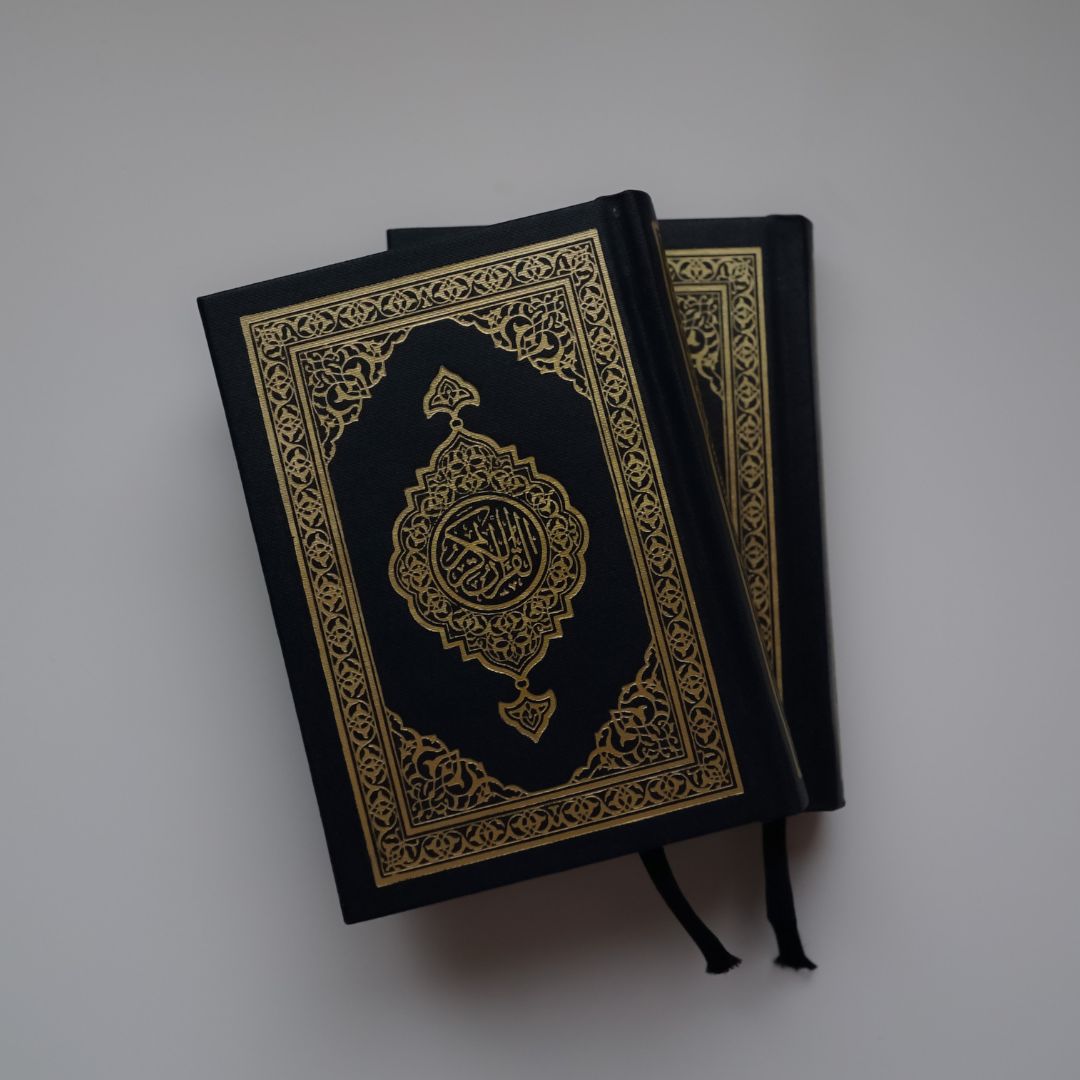
1. What Is Ishq-e-Ilahi (Divine Love for Allah)?
Ishq-e-Ilahi is a love that words often fail to capture. It’s not bound by logic, reason, or any worldly gain — it’s pure, sincere, and rooted deep within the soul. This form of love connects a servant with Allah in the most intimate way. When Allah places His love in someone’s heart, everything changes — the heart begins to long for Him, the soul feels incomplete without His remembrance, and every action naturally starts aligning with His will.
2. Signs You Are Experiencing a Spiritual Awakening
You might not even realize it at first, but there are subtle and beautiful signs that you’re being drawn closer to your Creator:
- You remember Allah more often, even without being reminded.
- The Quran begins to feel like a personal message to your heart.
- You avoid sins not out of fear of people, but out of love and awareness of Allah.
- Salah becomes a source of peace and comfort.
- You feel a sincere urge to help others — not for recognition, but for the sake of pleasing Allah.
These are not just habits — they are signs of your heart waking up.
3. Let the Quran Be Your Companion
The Quran isn’t just a book — it’s divine light, guidance, and healing. Reading even a small portion daily, like one Ruku, can begin to cleanse your heart. But more than recitation, the real connection comes when you pause to understand and reflect on its message.
💡 Tip: Use a translation in your language to truly feel the depth and beauty of each verse.
4. Strengthen Your Iman Through Muraqaba (Islamic Meditation)
In the quiet moments of the day — just after Fajr or before sleeping — take 10 minutes to sit in silence. Close your eyes, breathe deeply, and focus your heart on one of Allah’s names, like “Ya Wadood” (The Most Loving). This simple practice, known as Muraqaba, can bring calmness to the heart and help you feel a deeper connection with Allah.
Think of it as recharging your soul.
5. Surahs That Bring Peace and Spiritual Energy
Incorporate the recitation of Surah Yaseen and Surah Ar-Rahman into your daily routine. Their words carry healing and blessings.
- Surah Yaseen is often called the “heart of the Quran” — it’s filled with reminders of Allah’s mercy and power.
- Surah Ar-Rahman softens the heart, fills it with gratitude, and makes you reflect on how deeply Allah cares for His creation.
These Surahs act like spiritual nourishment — calming your heart, increasing your faith, and inviting divine blessings into your life.
6. Balancing Worship and Worldly Life
True Islam is not just about personal worship. It’s about living a balanced life where you fulfill both your obligations to Allah and your responsibilities to people.
- Huquq Allah (Rights of Allah): Prayers, fasting, remembrance, and love.
- Huquq-ul-Ibad (Rights of People): Kindness, honesty, justice, and service.
Real love for Allah is shown not only on the prayer mat but also in how you treat His creation.
7. Your Journey Begins with Intention
Every journey starts with a single step, and in this case — it’s the intention. When you sincerely decide to get closer to Allah, He makes the path easier for you. Slowly but surely, your heart begins to transform, and your entire life takes on a new purpose.
💫 Bonus Tips for Building Divine Love:
- Wake up for Tahajjud, even if just once a week — the stillness of that time is special.
- Practice gratitude — it turns what you have into enough.
- Surround yourself with people who remind you of Allah.
- Make dua often. Speak to Allah like a friend, tell Him your fears, hopes, and dreams. Ask Him to fill your heart with His love.
-

 Prayers1 year ago
How to Build a Deep Spiritual Connection with Allah
-
Blog1 year ago
The Most Merciful – Rehman (الرحمن)
-

 Blog2 years ago
Surah Rehman
-

 Blog1 year ago
Taught the Qur’an عَلَّمَ الْقُرْآنَ
-

 Hajj1 year ago
Hajj 2026 – Guide, Packages, Dates, and Preparation for the Sacred Journey
-

 Blog1 year ago
Surah Rahman PDF Download
-

 Umrah1 year ago
Umrah 2026 – A Complete Guide to Perform the Spiritual Journey
-

 Surah10 months ago
Surah Al-Ikhlas